
How to get carbon credits for REDD+
A practical walkthrough of what it takes to earn verified carbon credits from forest conservation projects — and where digital evidence makes or breaks the process.
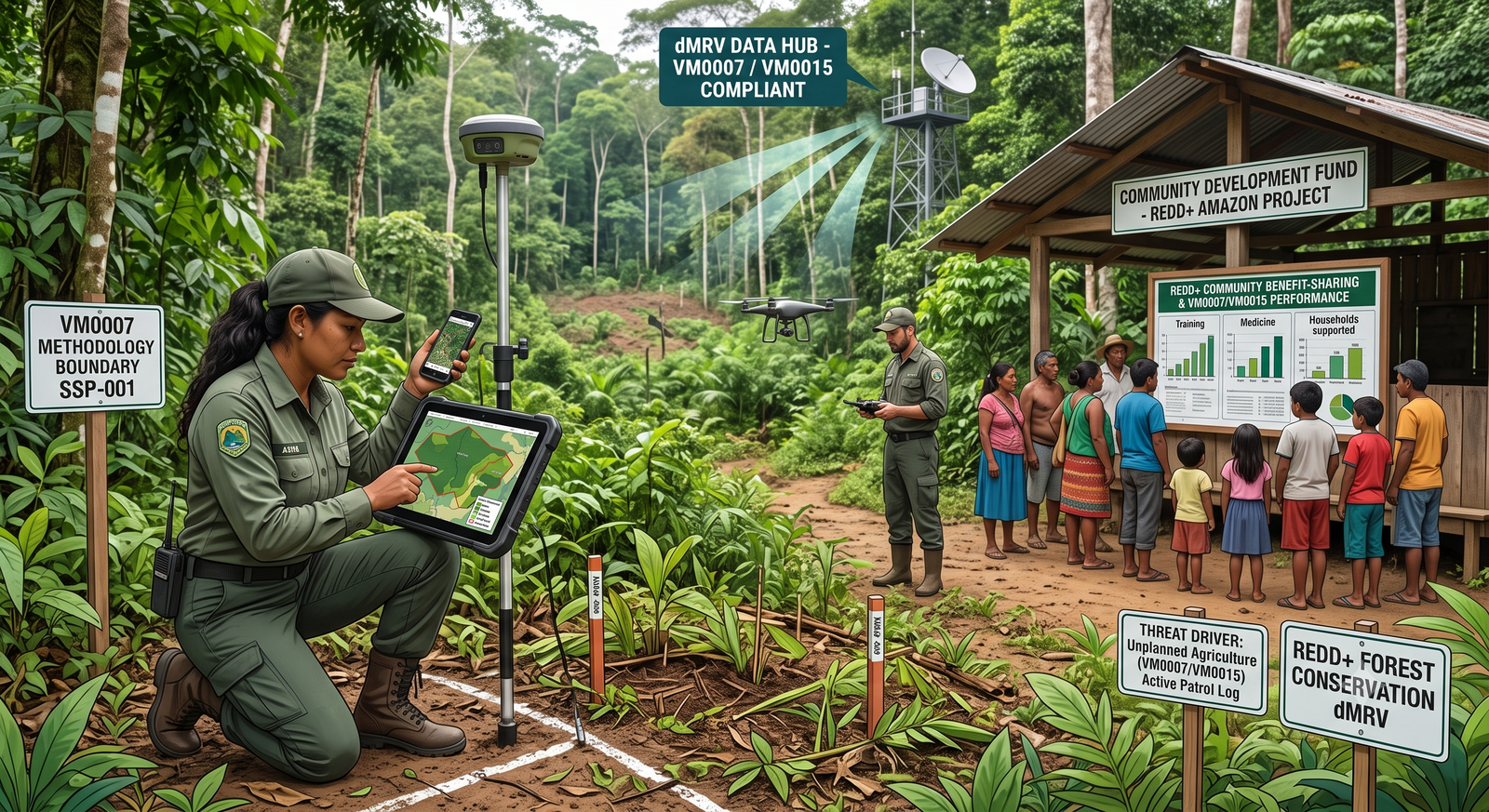
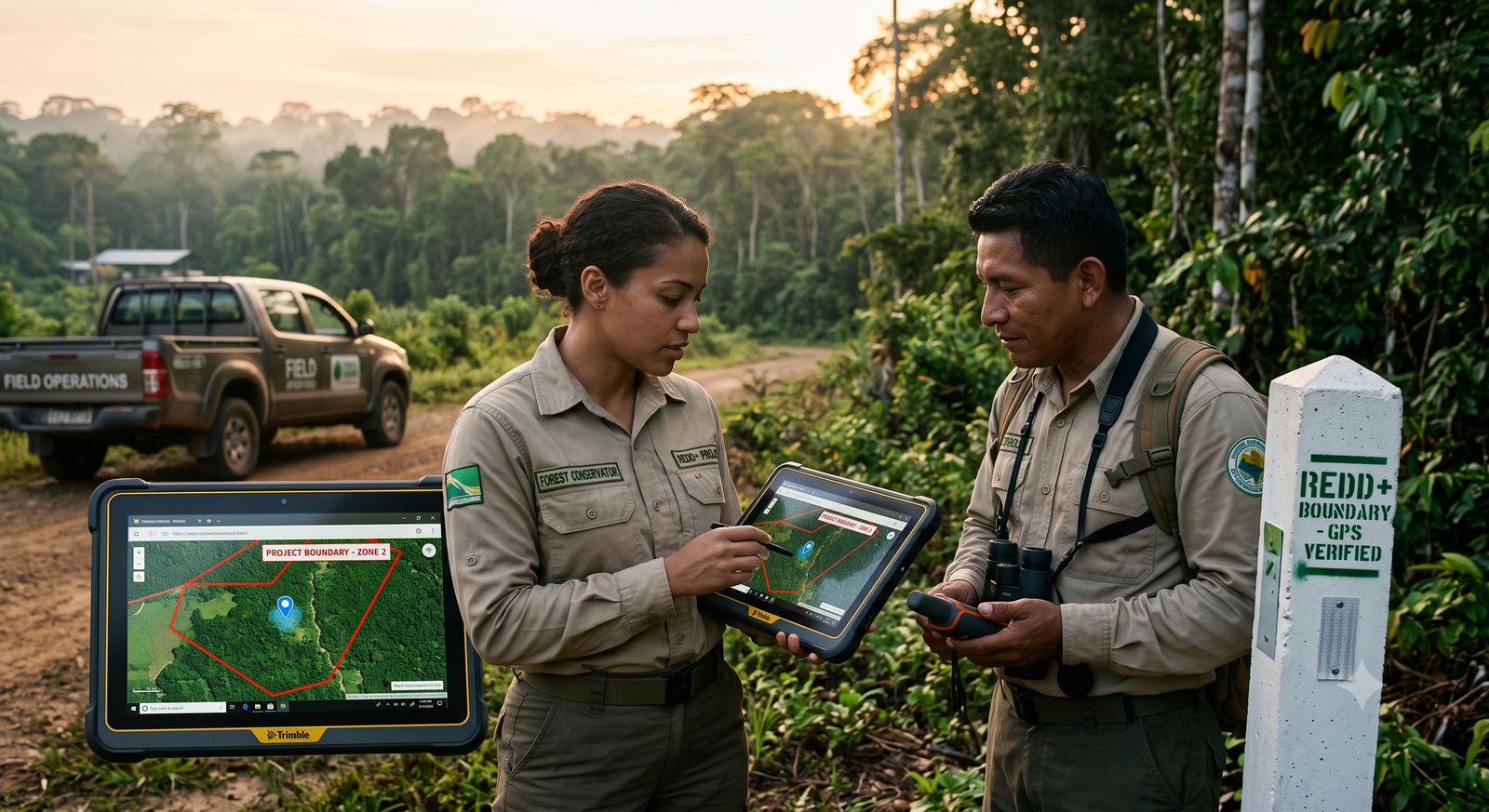
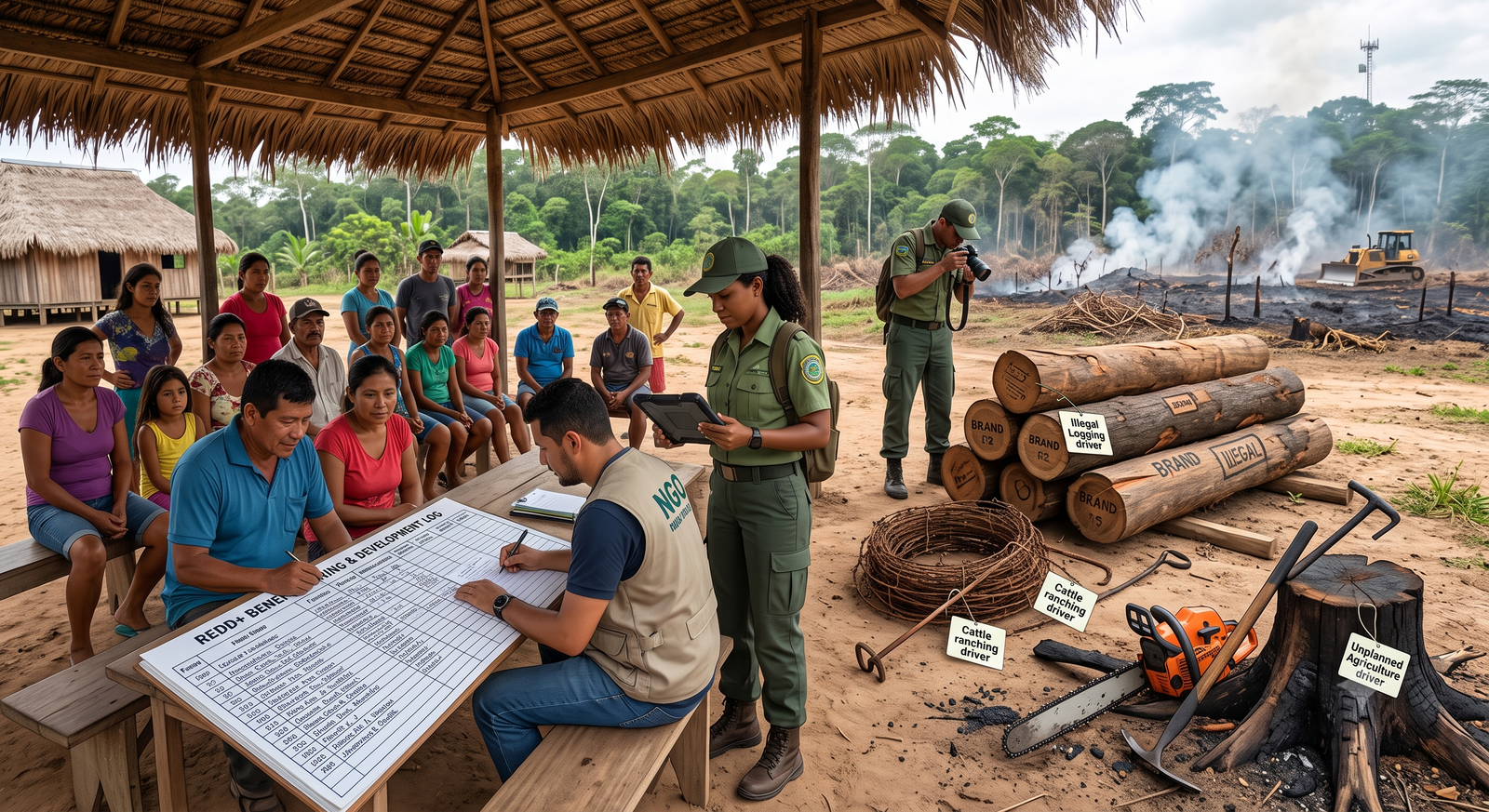
How the credit process flows for redd+
01
Register project boundaries
Map the project area, buffer zones and leakage belt as verified GPS geometry.
02
Run patrols and log threats
Rangers and community monitors log routes and incidents in-app, offline-first.
03
Record community benefits
Log payments and in-kind benefits against registered beneficiaries for an auditable trail.
04
Export for verification
One evidence package ties avoided-deforestation claims to patrol, threat and boundary records.
This is the same field-to-credit flow every methodology follows — see it explained in general terms on our impact page.
Why redd+ credits get delayed or discounted
Almost every delay traces back to one of these four evidence gaps.
Unverifiable boundaries
Project boundaries survive as decade-old shapefiles nobody can reconcile against what's actually on the ground.
Lost patrol logs
Ranger patrols are recorded in paper notebooks that rarely make it back to the office intact.
Unrecorded threats
Logging, fire and encroachment go unlogged until a satellite alert fires — too late to act or to evidence.
Undocumented benefits
Community benefit-sharing payments go undocumented, inviting the disputes that undermine a project's social licence.
REDD+ carbon credits — FAQs
Key questions about generating and verifying REDD+ carbon credits.
Does TrueCarbon support VM0007 and VM0015 REDD+ methodologies?
The configurable field schema captures project boundaries, patrol data, threat monitoring and benefit-sharing records — the core evidence categories VM0007 and VM0015 monitoring plans call for.
Can community rangers use the platform without reliable internet?
Yes. The mobile app is offline-first; patrol and threat data sync automatically once a ranger is back in coverage.
Guides for other methodologies
Get started
Ready to start earning REDD+ credits?
Talk to us about your programme's stage — whether you're mid-registration or just scoping the methodology.