
How to get carbon credits for ARR
A practical walkthrough of what it takes to earn verified carbon credits from forestry projects — and where digital evidence makes or breaks the process.
How the credit process flows for arr
01
Register participants and parcels
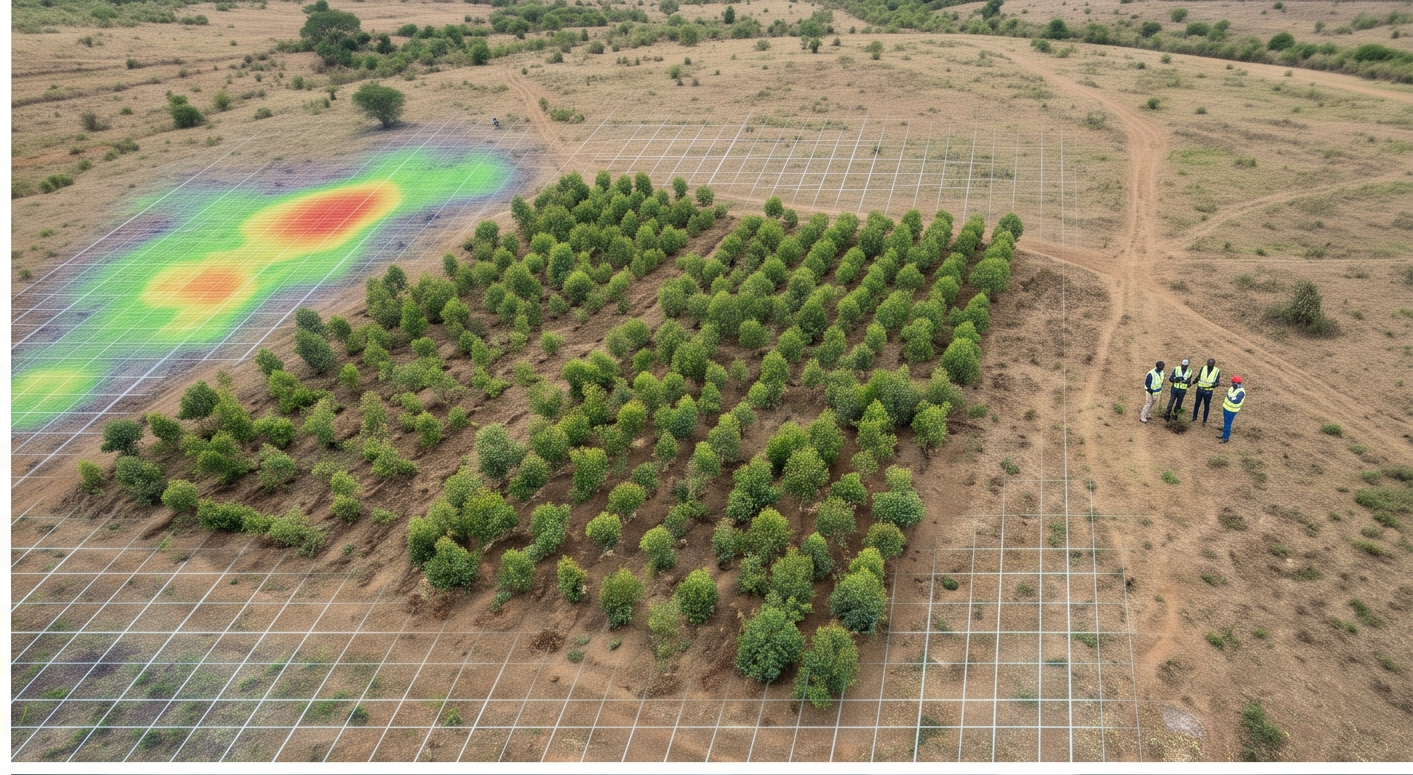
Map every plot's GPS boundary, with overlap detection against existing registrations.
02
Log planting events
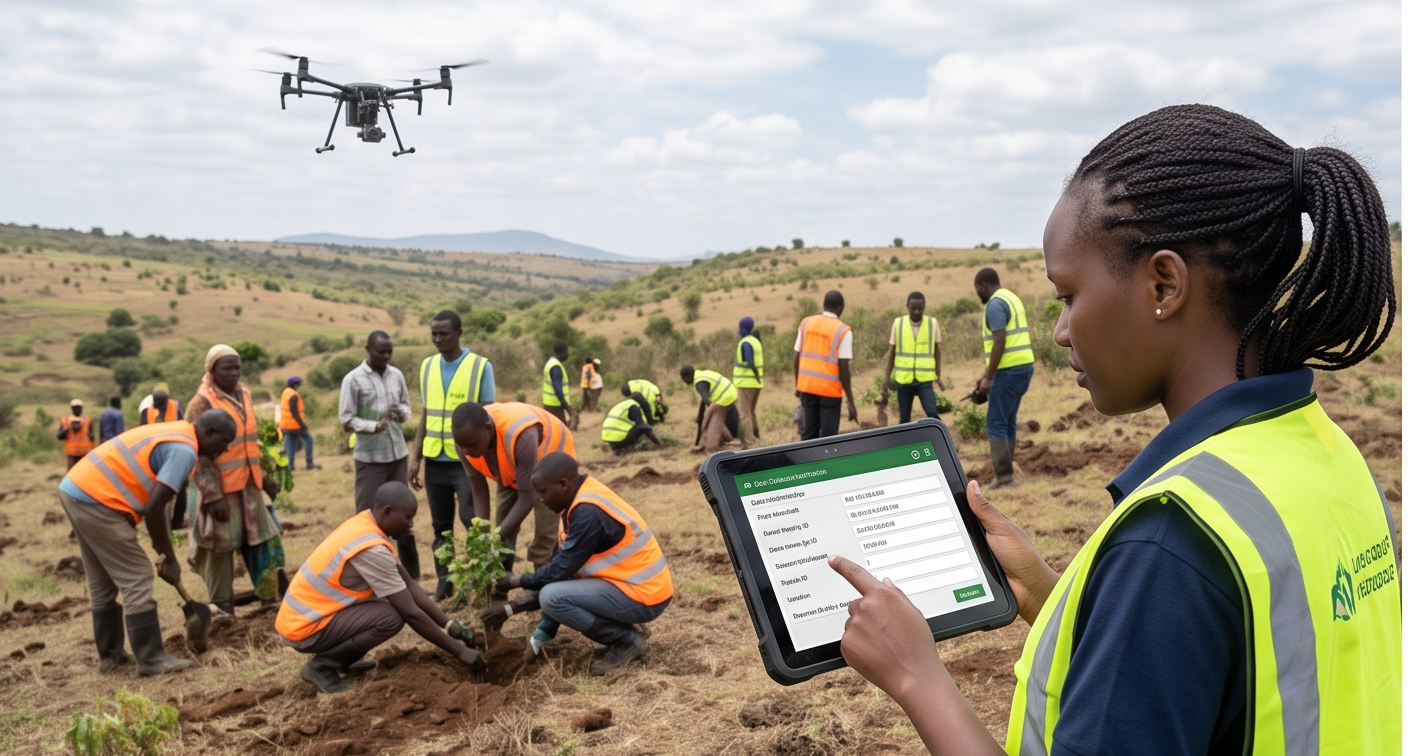
Species, count, date and location captured per event, with photo evidence attached.
03
Run survival & growth monitoring
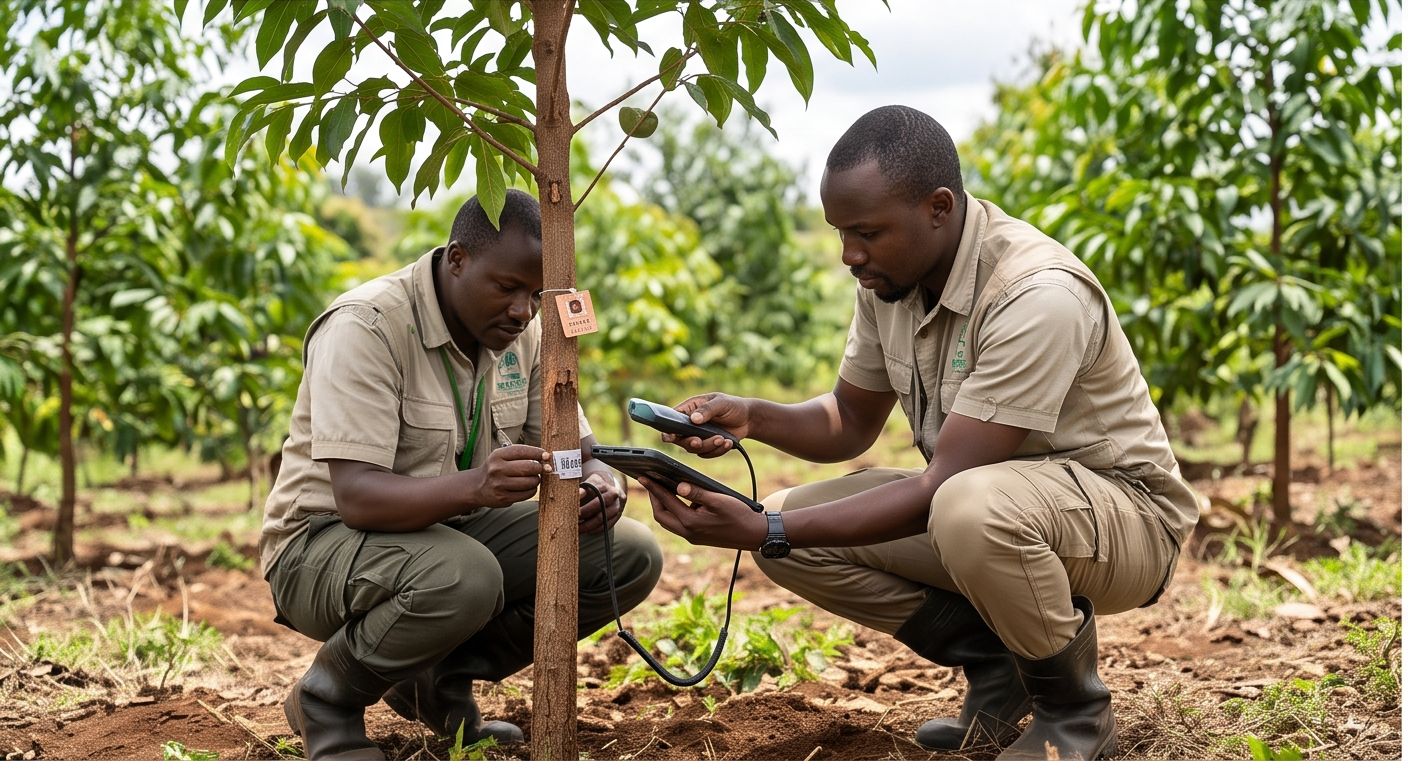
Scheduled re-measurement events build the survival-rate and biomass time series your carbon model needs.
04
Export for verification
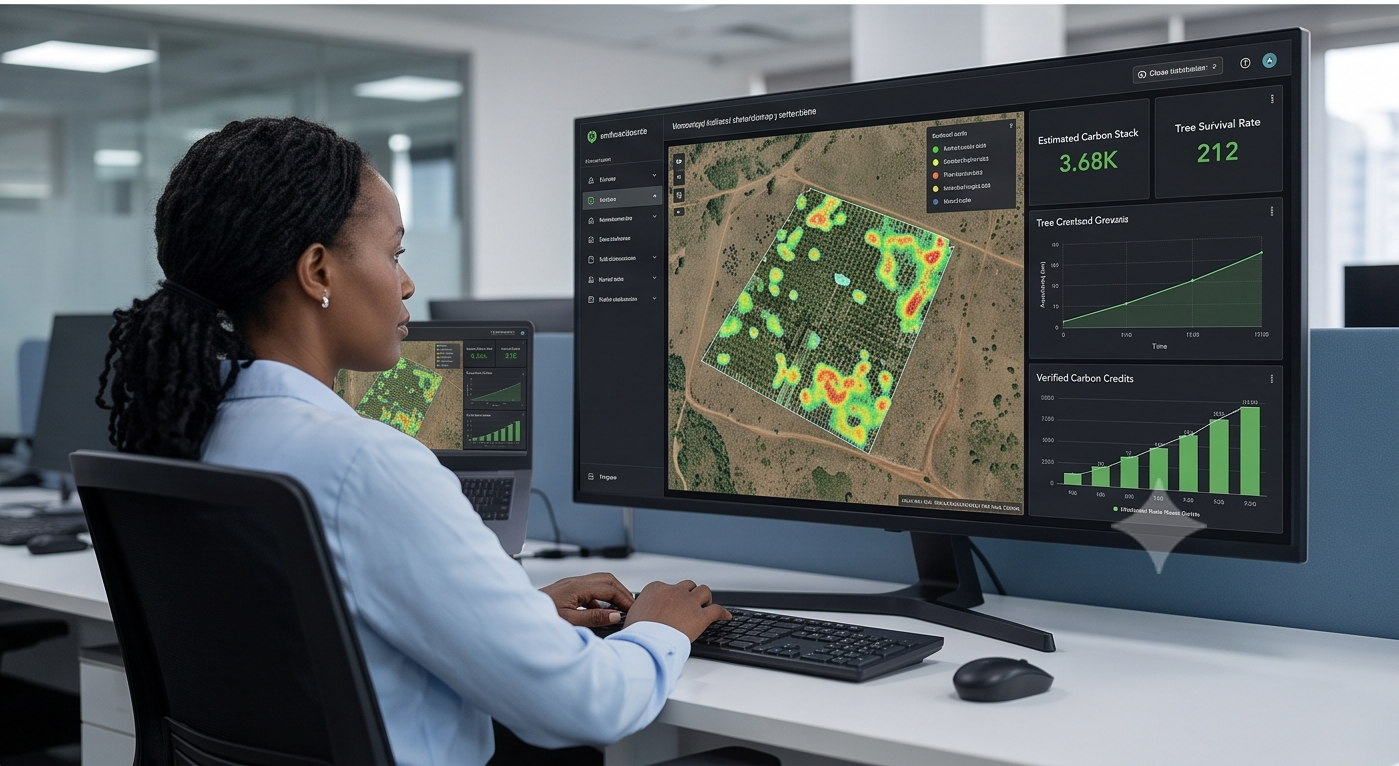
One evidence package traces every hectare claimed back to a geotagged planting or monitoring event.
This is the same field-to-credit flow every methodology follows — see it explained in general terms on our impact page.
Why arr credits get delayed or discounted
Almost every delay traces back to one of these four evidence gaps.
Recalled planting counts
Planting numbers are reported from memory at season-end, not captured as dated field records a verifier can trust.
Unknown survival rates
Tree survival goes unmeasured until a verifier asks, forcing a scramble that rarely produces a defensible number.
Unfindable monitoring plots
Monitoring plots live on paper with no GPS, so every re-measurement campaign returns to slightly different ground.
Unmapped parcels
Community plantings sprawl across fragmented, unmapped parcels, making total planted area impossible to prove.
ARR carbon credits — FAQs
Key questions about generating and verifying ARR carbon credits.
Does TrueCarbon support VM0047 for ARR projects?
Yes. The configurable field schema maps to VM0047 census-based and area-based approaches, and monitoring plot data exports support biomass estimation workflows.
Can TrueCarbon handle community plantations across many small parcels?
Yes. Each parcel gets its own GPS boundary with overlap detection, and participants can hold multiple plots under one registration.
More on this methodology
Guides for other methodologies
Get started
Ready to start earning ARR credits?
Talk to us about your programme's stage — whether you're mid-registration or just scoping the methodology.